The Parable of the Talking Dog - Terrence Sejnowski
 Terrence Sejnowski writes: "One of my favorite stories is about a chance encounter on the backroads of rural America when a curious driver came upon a sign: “TALKING DOG FOR SALE.” The owner took him to the backyard and left him with an old Border Collie.
Clash of the Titans 2020 - Peter O'Kelly
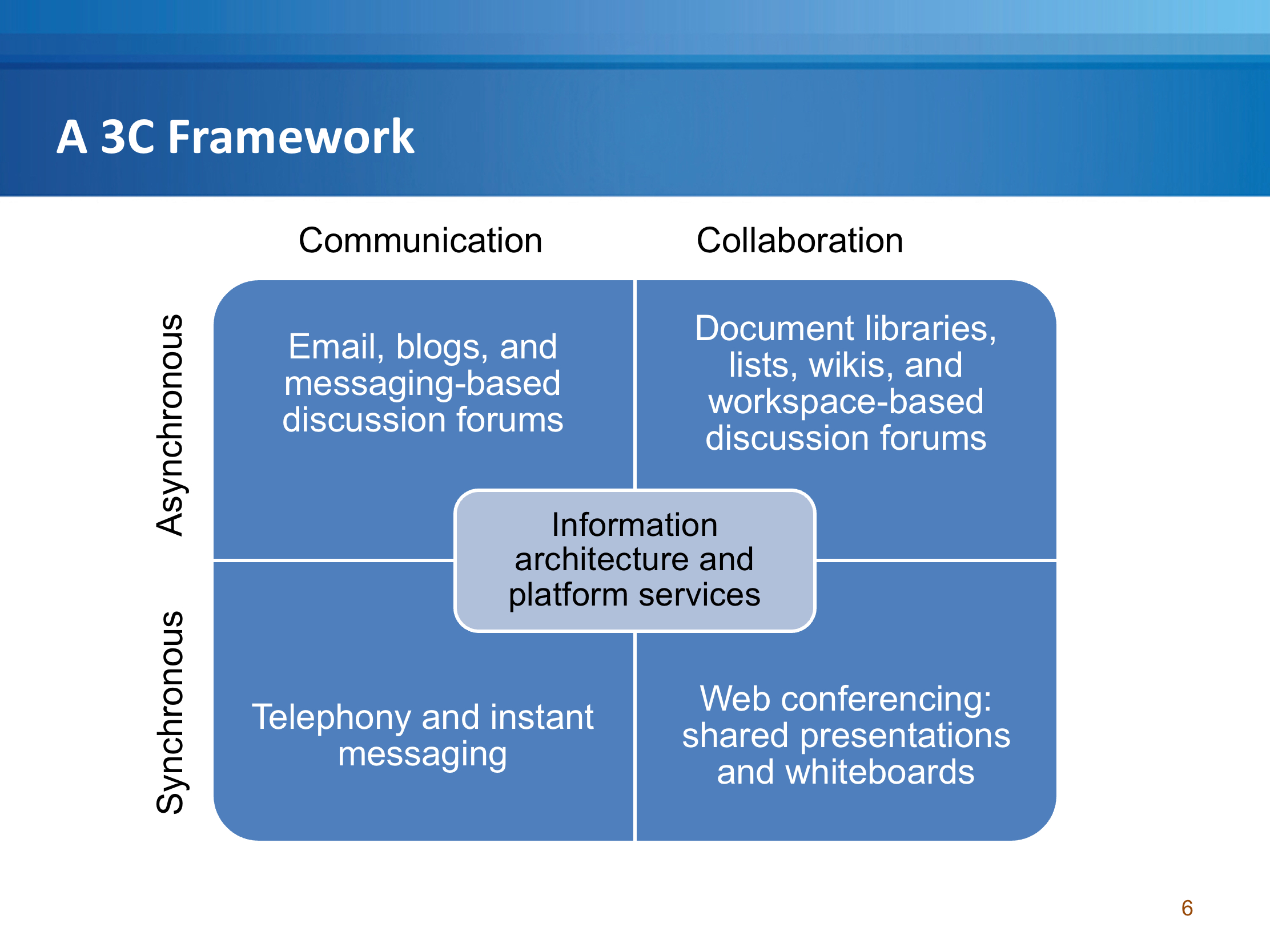 Revisiting Communication/Collaboration/Content Competition, ‘Co-opetition,’ and Culture: Opportunities for Traction Software and its Customer Community, my 2010 Traction User Group (TUG) presentation, it’s fascinating to realize how deeply the product strategies of the leading enterprise communication, collaboration, and content (3C) vendors were disrupted over the last decade. It’s also frankly a bit discouraging to realize how much 3C potential has yet to be realized by most mainstream enterprise end users, although that’s somewhat offset by the knowledge that Traction customers have been benefitting from the ongoing refinement of TeamPage’s pioneering collaborative hypertext journaling system the entire time. In this post, I’ll share perspectives on what has changed in the 3C product families of the vendors identified as enterprise 3C titans in the 2010 presentation along with some highlights of vendors that weren’t part of the 2010 discussion but are important 3C competitors today. I’ll close with some thoughts about where Traction fits into the current enterprise 3C landscape.
Clash of the Titans - Peter O'Kelly at TUG 2010
 I'm happy to present a transcript and quotes from Peter O'Kelly's TUG 2010 talk Communication / Collaboration / Content Competition, "Co-opetition," and Culture: Opportunities for Traction Software and its Customer Community. Or, as I'll call it here Clash of the Titans. Peter draws on his career as Lotus Notes product manager at Lotus Development Corporation and IBM, IBM Director of Business Development, Groove Networks product manager, MacroMedia vice president of strategy, Microsoft Solutions Architect, and senior analyst or director with the Patricia Seybold Group, the Burton Group, and O'Kelly Associates - see Peter's LinkedIn page and personal blog. I asked Peter to write a 'Where are they now' follow up post, and he cheerfully agreed! Look for it here next week.
More Observable Work - Transcribing Jim McGee's TUG 2010 Keynote
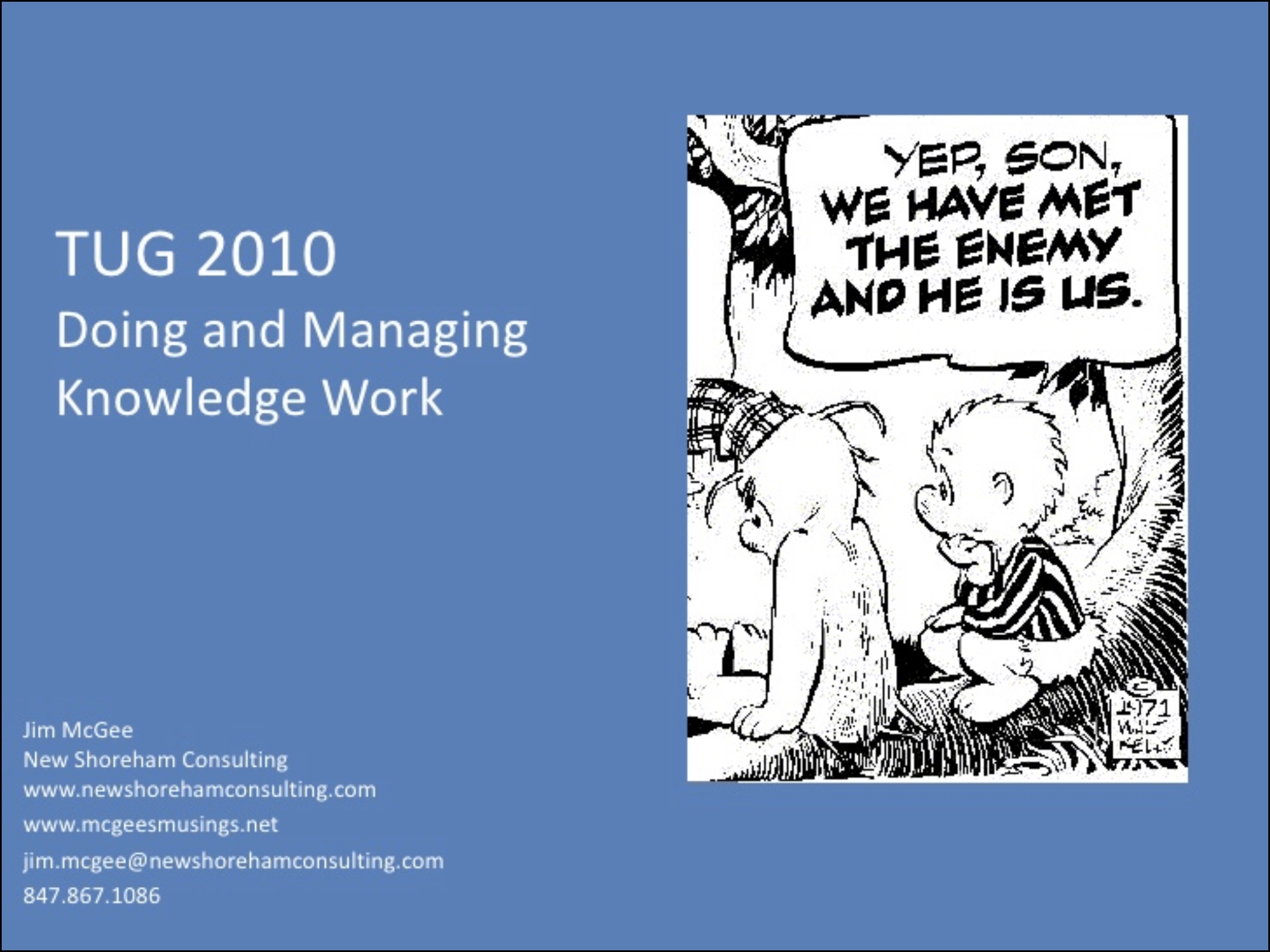 Working from home like much of the world, I thought it would be a good time to try out a new tool to transcribe Jim McGee's Doing and Managing Knowledge Work TUG 2010 keynote. The 2010 Traction User Group theme was Observable Work, with Jim's opening keynote, a closing keynote by Jon Udell, and a four hour Observable Workshop moderated by Jon on the last morning of the meeting, see 12-15 Oct 2010 | Fifth Annual Traction User Group Meeting, TUG 2010 Newport
Ineffective meetings - Here's an answer
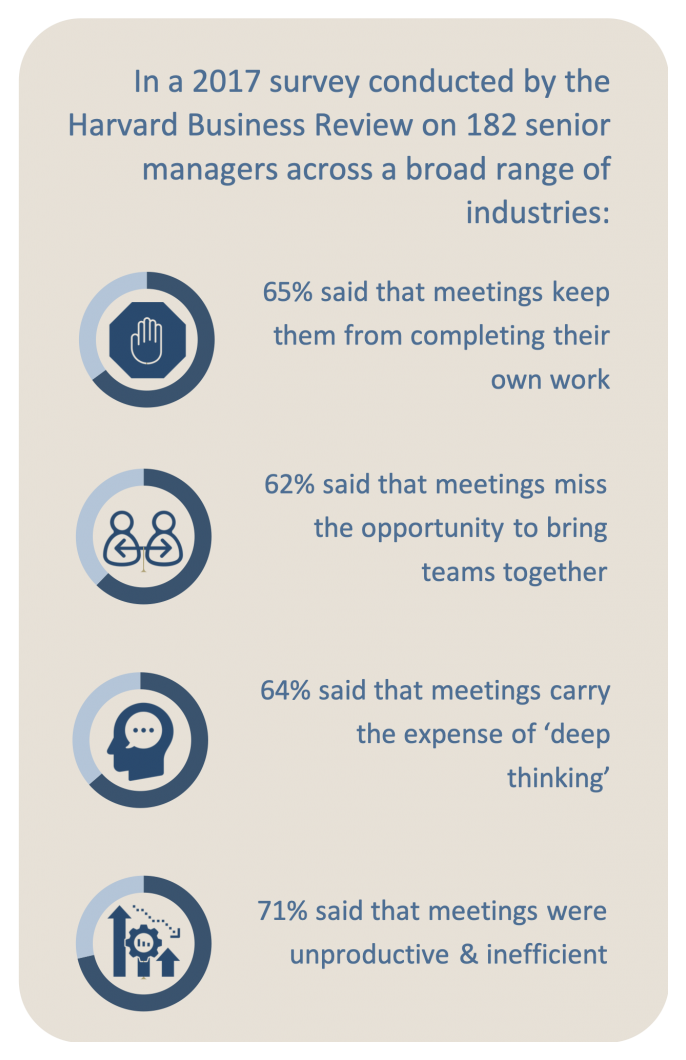
Are you are a business owner, executive or senior manager? Then you’ve experienced the good, the bad and the ugly of management meetings.
Management meetings are the heartbeat of any business and are in place to keep teams productive, accountable and focused. Meetings are the primary channel for communication and goal alignment throughout the business.
If you and your teams are dissatisfied with the quality of your meetings, then you are fortunate enough to have a giant improvement opportunity in your business, with low implementation cost and high reward.
When you think about it, the actions that come out of your meetings are the smallest unit of improvement of your business. The rate at which you and your teams close tasks is the real rate of improvement of your business. It is a measure of engagement and agility. Tasks matter.
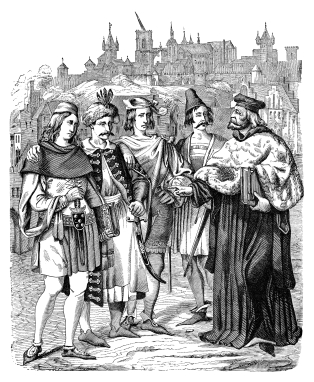
The parable of the four unfit friends
 In this article we tell the parable of four friends and some of their life choices.
impi! and TeamPage Reduce Administration of Document Control
 In this article we build a case for using TeamPage and impi! wiki templates to save administrative time for document control and support the intent of ISO9001:2015 to distribute the responsibility of the Quality Management System to the leadership of the organisation.
How to create a simplified custom front page for TeamPage
 The other day, I helped a Japanese IT Support company build a client support site with TeamPage.
Their main request was to make the top page ("front page") of TeamPage simple as possible to be more welcoming and prevent clients from being confused. So, I (1) put the large icons and buttons on the top page and (2) removed tabs and sidebar etc.
In this blog post, I will briefly introduce how I did the customizations using a TeamPage plug-in developed and delivered to the company.
Why, How and What of the impi Standard Meeting Plug-in for TeamPage
The new impi! Standard Meeting Plug-in for TeamPage enables easier, faster and more accurate minute taking for recurring meetings which agenda is standardized. It augments the impi! solution: Goal Alignment - Mini Business Units Deployment. To learn more about this plug-in and impi's Business Management System solutions built using TeamPage, please contact Traction Software.
impi! What's in the name? What's in the logo?
 Impi is a Zulu word for any armed body of men. It also bears in English a connotation to the art of warfare. In the early part of the 19th century the Zulu nation, then a relatively small tribe rose to a prominent nation. Under the leadership of King Shaka its influence span across Southern Africa. Shaka deeply transformed the art of warfare in the sub continent drawing from traditions and innovating. Aspects of warfare covered army structure and deployment, leadership, training, agility, logistic, weaponry, etc. Shaka's organisational development and leading of his impis were characterised by discipline (standardisation) and creative improvement.
A Fabric, not a Platform
 Apple and Google are competing to build a fabric that connects everything you own and use, working outward from the globally meshed supercomputer you carry in your pocket. Both apply deep learning technology to AI assistants, and are opening up their AIs and bots to other apps, bots, and cloud services. This richly connected fabric makes bots useful and AI assistants valuable by teaching them how to identify objects you're talking about as well as understand what you want done. The same applies at work. Making this happen requires a shift from the traditional definition of a platform to a fabric which makes it possible to connect people and the actionable objects they use, in context.
Introducing impi! - Pierre Bienvenüe
I'm happy to introduce Pierre Bienvenüe, founder of impi Business Improvement Solutions Pty, a South African business improvement firm and TeamPage solution partner since 2012. Pierre has great experience in helping mid-size companies organize and run effective quality improvement programmes. impi! works with clients as partners from concept definition, initial rollout, through improvement of the quality program itself. Pierre has worked with Traction Software and clients to develop templates, plug-in extensions, and a methodology for using TeamPage to support the impi! business improvement model, with solid results to report. This post is an introduction. You'll hear more from Pierre as an expert guest blogger on this page, in Traction Software's TeamPage customer forums (free registration), and across the web.
Chris Nuzum Hyperkult XXV Video | Tripping Up Memory Lane
 Watch this video of Chris Nuzum's Tripping Up Memory Lane talk at Hyperkult 2015, University of Lüneburg, 10 July 2015. Traction Software CTO and co-founder Chris Nuzum reviews hypertext history, his experience as a hypertext practitioner, and the core principles of Traction TeamPage.
Introducing the TeamPage iOS App
I was delighted to find that our TeamPage iOS companion app was published on the App Store this morning. We've been enjoying the app for the past few months, and are excited finally to be able to share it with you.
Daily Report 日報 = Observable Work: Takashi Okutsu
 Takashi Okutsu of Traction Software's Japanese Business Office recently posted an update to his Daily Report TeamPage plugin. Takashi writes: "In some Japanese companies, it is common to look back what an employee did in the day, write a summary, and submit it to his/her boss. This is called "日報" (daily report or daily journal) and it's a way of sharing information between employees and bosses in the hierarchy. If you are interested in the ways of business in Japanese companies, you may find this blog post interesting." This example of Observable Work is very simple to understand and use. Quality Management and other TeamPage solutions follow the same pattern.
Shaka, When the Walls Fell
"Pooh?" said Piglet.
"Yes, Piglet?" said Pooh.
"Darmok and Jalad at Tanagra," said Piglet.
"Shaka, when the walls fell," said Pooh.
— Michael G. Munz (@TheWriteMunz) November 17, 2015Original Traction Product Proposal
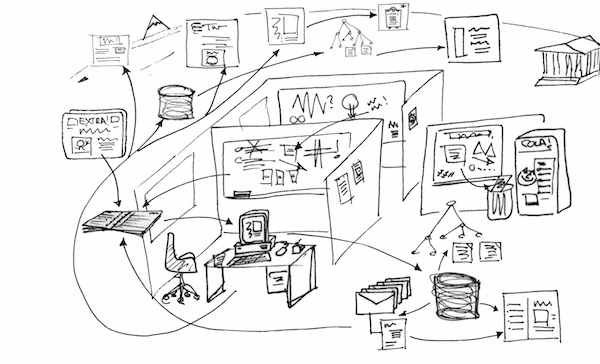
I hope you'll enjoy reading the original Traction Product Proposal, dated October 1997. Many early Traction concepts carried over directly to the Traction® TeamPage product first commercially released in July 2002, but we've also learned a lot since then - as you might hope! The Proposal and its Annotated References may be helpful to students interested in the history and evolution of hypertext.
Teampage hypertext journal: Design concepts, by Takashi Okutsu
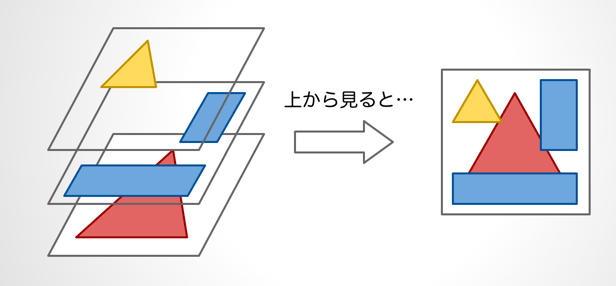
Takashi Okutsu of Traction Software's Japanese Business Office wrote a blog post, Teampage hypertext journal: Design concepts. Starting from Chris Nuzum's Tripping Up Memory Lane presentation, Takashi explains how TeamPage's append-only journal models editable content, links, and relationships − while maintaining a full audit trail. See this Google English translation.
Tripping Up Memory Lane
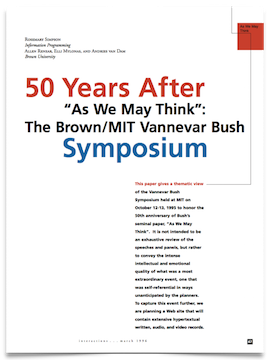
Last week I gave a talk at the Hyperkult 2015 conference. It was an honor to present there, especially since it was the 25th and final time the conference was held. This was my proposal for the talk:
Eat your spinach: Email is good for you, but it could taste a lot better
Takashi Okutsu of Traction Software's Japanese Business Office says that email is like spinach. It may be necessary for a healthy business, but not everyone likes spinach. He says that it's not reasonable to think that Social Network Software replaces email. It's better to look at how SNS extends and complements email. Takashi's July 3, 2015 TractionSoftware.jp blog post explains how, see this rough Google English translation.
My Part Wor ks
 About 50 years ago, Andy van Dam joined the Brown University faculty with the world's second PhD in Computer Science (earned at the University of Pennsylvania). Today many of Andy’s friends, faculty, students and former students are celebrating his 50 years at Brown with Stone Age, Iron Age and Machine Age panels. [ June 9, 2015 update: See event video: Celebrate with Andy: 50 Years of Computer Science at Brown University ]
Enterprise 2.0 - Are we there yet?
 Andrew McAfee writes Nov 20, 2014: "Facebook’s recent announcement that it’s readying a version of its social software for workplaces got me thinking about Enterprise 2.0, a topic I used to think a great deal about. Five years ago I published a book with that title, arguing that enterprise social software platforms would be valuable tools for businesses...
Why did it take so long? I can think of a few reasons. It’s hard to get the tools right — useful and simple software is viciously hard to make. Old habits die hard, and old managers die (or at least leave the workforce) slowly. The influx of ever-more Millennials has almost certainly helped, since they consider email antediluvian and traditional collaboration software a bad joke.
Whatever the causes, I’m happy to see evidence that appropriate digital technologies are finally appearing to help with the less structured, less formal work of the enterprise. It’s about time.
What do you think? Is Enterprise 2.0 finally here? If so, why now? Leave a comment, please, and let us know."
Ada Lovelace Day | Emmy Noether, Mathematician
Ada Lovelace Day celebrates  the contributions of women in science and technology, follow @FindingAda for news and events. This year I've chosen to write about mathematician Amalie "Emmy" Noether. At the time of her death in April 1935, she was described by Pavel Alexandrov, Albert Einstein, Herman Weyl, Norbert Weiner and others as the most important woman in the history of mathematics. Noether’s First Theorem is a fundamental tool of modern physics and the calculus of variations: every symmetry corresponds to a conservation law. "It was her work in the theory of invariants which led to formulations for several concepts of Einstein's general theory of relativity." [J J O'Connor and E F Robertson, 1997]. Of her later work, Nathan Jacobson said: "The development of abstract algebra, which is one of the most distinctive innovations of twentieth century mathematics, is largely due to her – in published papers, in lectures, and in personal influence on her contemporaries." Einstein wrote Noether's obituary in the New York Times, May 5, 1935:
Named Data Networking - Boffin Alert
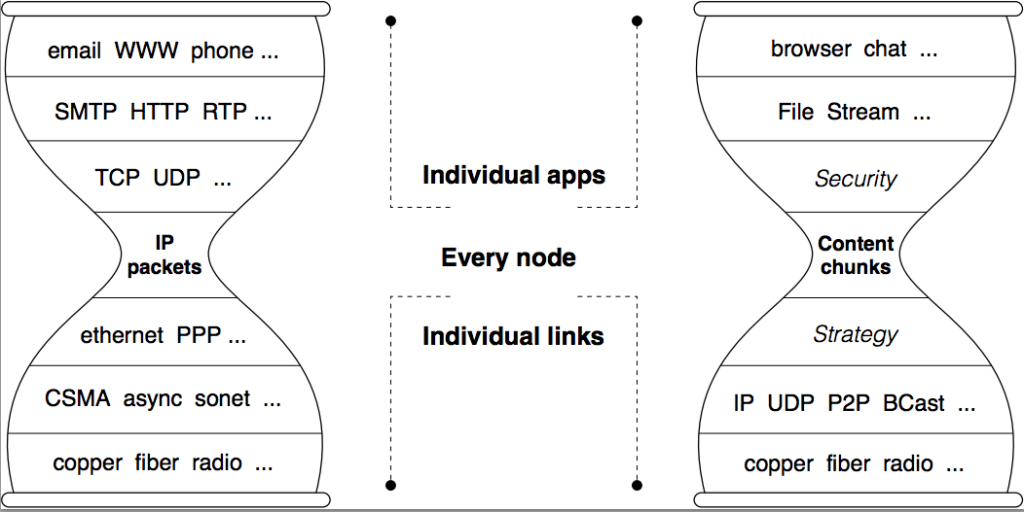 On Sep 4, 2014 the Named Data Networking project announced a new consortium to carry the concepts of Named Data Networking (NDN) forward in the commercial world. If this doesn't sound exciting, try The Register's take: DEATH TO TCP/IP cry Cisco, Intel, US gov and boffins galore. What if you could use the internet to access content securely and efficiently, where anything you want is identified by name rather than by its internet address? The NDN concept is technically sweet, gaining traction, and is wonderfully explained and motivated in a video by its principle inventor and instigator Van Jacobson. Read on for the video, a few quotes, reference links, and a few thoughts on what NDN could mean for the Internet of Things, Apple, Google and work on the Web. Short version: Bring popcorn.
Linked, Open, Heterogeneous
%2dDDegler%2dApr2014%2d500w.png) Art, Data, and Business Duane Degler of Design For Context posted slides from his 5 April 2014 Museums and the Web talk, Design Meets Data (Linked, Open, Heterogeneous). Degler addresses what he calls the LAM (Libraries, Archives, Museums) Digital Information Ecosystem. I believe the same principles apply when businesses connect internal teams, external customers, external suppliers, and partners of all sorts as part of their Business Information Ecosystem. Read Degler's summary and slides, below:
Art, Data, and Business Duane Degler of Design For Context posted slides from his 5 April 2014 Museums and the Web talk, Design Meets Data (Linked, Open, Heterogeneous). Degler addresses what he calls the LAM (Libraries, Archives, Museums) Digital Information Ecosystem. I believe the same principles apply when businesses connect internal teams, external customers, external suppliers, and partners of all sorts as part of their Business Information Ecosystem. Read Degler's summary and slides, below:
 I18N ERROR: @tsiskin#footer_RSS_Feed